How to Choose Right Glass Thickness for Aluminum Door & Window
Updated: 17 Mar 2026
Glass thickness is an important factor in the performance of aluminum windows and doors. The right thickness can improve structural strength, safety, sound insulation, and thermal insulation. Choosing the appropriate glass configuration helps ensure durability while avoiding unnecessary cost.
The most common glass thickness used in aluminum windows ranges from 5mm to 12mm. The selection usually depends on the window size and application.
Different glass structures provide different performance. For example, insulated glass improves thermal insulation, while laminated glass enhances safety.
When choosing glass thickness for aluminum windows, several factors should be considered, including window size, installation location, safety requirements, and energy efficiency.
Choosing the right glass thickness is essential for achieving the best performance in aluminum windows and doors. By selecting the appropriate thickness and glass type, it is possible to balance safety, insulation, and cost effectively.
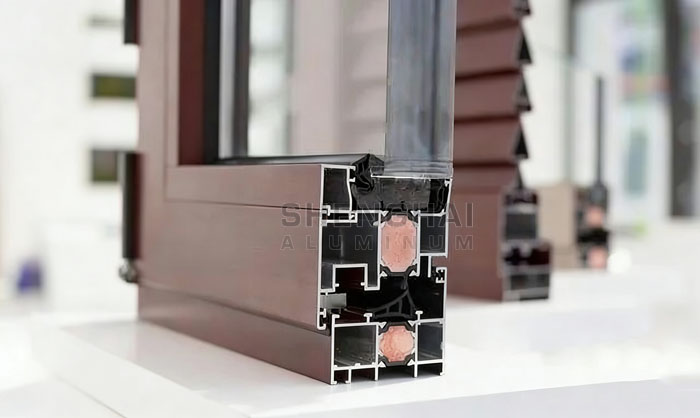
Typically 3mm to 5mm thick, this type is primarily used in mild-climate regions or for interior partitions. Its thermal insulation and soundproofing capabilities are limited.
Double-Glazed Insulated Glass
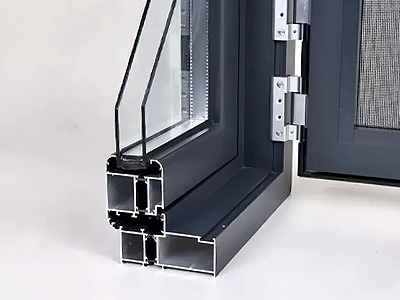
Commonly ranging from 18mm to 27mm in thickness, this unit consists of two panes of glass separated by a spacer and filled with air or an inert gas (such as argon or krypton). Its thermal insulation, heat retention, and soundproofing performance are significantly superior to those of single-layer glass. It is suitable for residential settings, offices, and hotel apartments; when paired with thermally broken aluminum frames, it offers even greater energy efficiency.
Triple-Glazed Glass
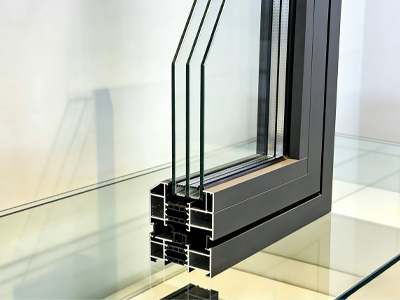
With a common thickness of 28mm to 44mm, this unit uses three panes of glass separated by multiple spacers and gas-filled cavities, providing enhanced thermal insulation and heat retention. It is ideal for regions with extreme climates and offers the highest level of energy efficiency.
Low-Emissivity Glass (Low-E Glass)
Featuring an ultra-thin coating, this glass can be integrated into double- or triple-glazed units. It reflects infrared radiation and blocks 70% to 90% of ultraviolet (UV) rays. By blocking heat in the summer and retaining warmth in the winter, it significantly boosts energy efficiency. In regions with abundant sunlight, aluminum alloy sliding windows fitted with Low-E glass are an excellent choice. When paired with commercial aluminum doors, it can also help reduce cooling costs.
Tempered Glass
Commonly available in thicknesses of 5mm, 8mm, 10mm, and 12mm, this glass undergoes a heat treatment process that renders it four to five times stronger than standard glass. Even if shattered, it breaks into small, blunt-edged fragments, thereby minimizing the risk of injury. It is suitable for high-traffic areas; using tempered glass in aluminum alloy casement windows or sliding doors helps reduce injury risks, while pairing it with reinforced frames further enhances overall safety.
Laminated Glass
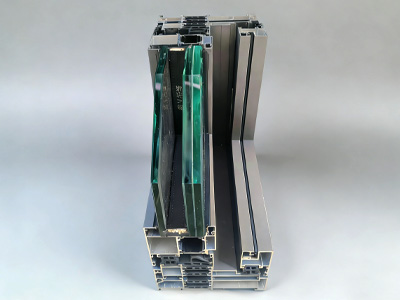
Composed of two panes of glass bonded together by an interlayer of PVB film. Upon impact, the glass remains adhered to the interlayer preventing it from detaching or shattering outward—enhancing security against intrusion and impact. Additionally, it blocks 99% of ultraviolet (UV) rays. It is an ideal choice for floor-to-ceiling windows, sunrooms, and low-level areas prone to accidental impact.
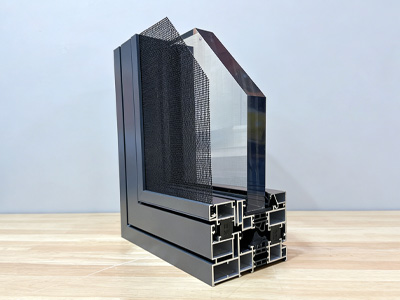
Energy Efficiency and Sound Insulation Performance
When selecting glass for aluminum doors and windows, energy efficiency and sound insulation performance must be given top priority. The appropriate glass type and thickness should be chosen based on local climatic conditions. For instance, in regions with significant temperature fluctuations between summer and winter, laminated glass or Low-E (low-emissivity) glass can be utilized to enhance thermal insulation and heat retention. This helps reduce indoor energy consumption and improves overall energy efficiency. Furthermore, effective sound insulation is a key reason why many people opt for aluminum door and window systems. Both double-glazed and laminated glass offer commendable sound insulation; however, Insulated Glass Units (IGUs)—which feature an air or inert gas layer between two panes of glass—can effectively block outdoor noise, thereby providing a quieter, more comfortable indoor living environment.
Door and Window Types
Different door and window structures impose varying requirements regarding glass thickness.
Safety Requirements
If safety is a high priority, tempered glass or laminated glass should be chosen over simply increasing the glass thickness.
Tempered Glass: Offers superior strength; upon breakage, it shatters into small, relatively harmless fragments, thereby enhancing safety.
Laminated Glass: Even if cracked or broken, the glass remains intact and does not fall out, making it ideal for high-rise buildings or locations requiring heightened security.
Building Height and Wind Pressure
In high-rise buildings, doors and windows are subjected to significantly higher wind pressure. Consequently, they typically require:
Thicker glass;
or the use of an insulated tempered glass structure;
to ensure the safety and structural integrity of the doors and windows in strong-wind environments.
Load-Bearing Capacity of Aluminum Profiles
As glass thickness increases, its weight also increases. If the load-bearing capacity of the aluminum profiles and hardware components is insufficient, the service life of the doors and windows may be compromised. Therefore, the selected glass thickness must be compatible with the structural design of the aluminum door and window profiles.
The surface area of the glass is one of the key factors determining its required thickness. Generally, the larger the surface area of a single pane of glass, the greater the thickness required. Larger glass panes necessitate thicker glass to ensure structural stability and safety.
As a general rule, for glass panes with a surface area of less than 2.5 square meters, standard 5mm or 6mm glass is a suitable choice; however, if the surface area exceeds 2.5 square meters, 8mm glass or thicker should be considered.
Common Glass Thicknesses and Their Applications:
5mm: Suitable for small windows, interior partitions, lower-floor installations, and areas with relatively low wind loads.
8mm–10mm: The standard thickness for residential use, suitable for most casement windows, sliding doors, and glass panes of conventional dimensions.
12mm and above: Suitable for large-format glass panes, floor-to-ceiling windows, high-rise buildings, and areas subject to high wind pressure or coastal environments.
In summary, selecting the appropriate glass thickness for aluminum doors and windows requires a comprehensive assessment that considers various factors and your specific needs. As a manufacturer of aluminum doors, windows, and profiles, we subject every unit to rigorous production controls. Shenghai Aluminum ensures that our aluminum doors and windows integrate seamlessly with glass of various thicknesses and styles, providing our clients with products of the highest quality. To learn more or to obtain professional solutions for your aluminum door and window needs, please do not hesitate to contact us directly.
The most common glass thickness used in aluminum windows ranges from 5mm to 12mm. The selection usually depends on the window size and application.
Different glass structures provide different performance. For example, insulated glass improves thermal insulation, while laminated glass enhances safety.
When choosing glass thickness for aluminum windows, several factors should be considered, including window size, installation location, safety requirements, and energy efficiency.
Choosing the right glass thickness is essential for achieving the best performance in aluminum windows and doors. By selecting the appropriate thickness and glass type, it is possible to balance safety, insulation, and cost effectively.
Common Types of Glass for Aluminum Doors and Windows
Single-Layer GlassTypically 3mm to 5mm thick, this type is primarily used in mild-climate regions or for interior partitions. Its thermal insulation and soundproofing capabilities are limited.
Double-Glazed Insulated Glass
Commonly ranging from 18mm to 27mm in thickness, this unit consists of two panes of glass separated by a spacer and filled with air or an inert gas (such as argon or krypton). Its thermal insulation, heat retention, and soundproofing performance are significantly superior to those of single-layer glass. It is suitable for residential settings, offices, and hotel apartments; when paired with thermally broken aluminum frames, it offers even greater energy efficiency.
Triple-Glazed Glass
With a common thickness of 28mm to 44mm, this unit uses three panes of glass separated by multiple spacers and gas-filled cavities, providing enhanced thermal insulation and heat retention. It is ideal for regions with extreme climates and offers the highest level of energy efficiency.
Low-Emissivity Glass (Low-E Glass)
Featuring an ultra-thin coating, this glass can be integrated into double- or triple-glazed units. It reflects infrared radiation and blocks 70% to 90% of ultraviolet (UV) rays. By blocking heat in the summer and retaining warmth in the winter, it significantly boosts energy efficiency. In regions with abundant sunlight, aluminum alloy sliding windows fitted with Low-E glass are an excellent choice. When paired with commercial aluminum doors, it can also help reduce cooling costs.
Tempered Glass
Commonly available in thicknesses of 5mm, 8mm, 10mm, and 12mm, this glass undergoes a heat treatment process that renders it four to five times stronger than standard glass. Even if shattered, it breaks into small, blunt-edged fragments, thereby minimizing the risk of injury. It is suitable for high-traffic areas; using tempered glass in aluminum alloy casement windows or sliding doors helps reduce injury risks, while pairing it with reinforced frames further enhances overall safety.
Laminated Glass
Composed of two panes of glass bonded together by an interlayer of PVB film. Upon impact, the glass remains adhered to the interlayer preventing it from detaching or shattering outward—enhancing security against intrusion and impact. Additionally, it blocks 99% of ultraviolet (UV) rays. It is an ideal choice for floor-to-ceiling windows, sunrooms, and low-level areas prone to accidental impact.
What Factors Should Be Considered When Selecting Glass Thickness for Aluminum Doors and Windows?
Aluminum doors and windows have become the preferred architectural products for both residential homes and office buildings. However, the glass paired with them is equally critical, as it serves functions such as transmitting light, regulating temperature, reducing noise, and enhancing security. Therefore, when selecting the appropriate glass thickness for aluminum doors and windows, what factors should we consider?Energy Efficiency and Sound Insulation Performance
When selecting glass for aluminum doors and windows, energy efficiency and sound insulation performance must be given top priority. The appropriate glass type and thickness should be chosen based on local climatic conditions. For instance, in regions with significant temperature fluctuations between summer and winter, laminated glass or Low-E (low-emissivity) glass can be utilized to enhance thermal insulation and heat retention. This helps reduce indoor energy consumption and improves overall energy efficiency. Furthermore, effective sound insulation is a key reason why many people opt for aluminum door and window systems. Both double-glazed and laminated glass offer commendable sound insulation; however, Insulated Glass Units (IGUs)—which feature an air or inert gas layer between two panes of glass—can effectively block outdoor noise, thereby providing a quieter, more comfortable indoor living environment.
Door and Window Types
Different door and window structures impose varying requirements regarding glass thickness.
Safety Requirements
If safety is a high priority, tempered glass or laminated glass should be chosen over simply increasing the glass thickness.
Tempered Glass: Offers superior strength; upon breakage, it shatters into small, relatively harmless fragments, thereby enhancing safety.
Laminated Glass: Even if cracked or broken, the glass remains intact and does not fall out, making it ideal for high-rise buildings or locations requiring heightened security.
Building Height and Wind Pressure
In high-rise buildings, doors and windows are subjected to significantly higher wind pressure. Consequently, they typically require:
Thicker glass;
or the use of an insulated tempered glass structure;
to ensure the safety and structural integrity of the doors and windows in strong-wind environments.
Load-Bearing Capacity of Aluminum Profiles
As glass thickness increases, its weight also increases. If the load-bearing capacity of the aluminum profiles and hardware components is insufficient, the service life of the doors and windows may be compromised. Therefore, the selected glass thickness must be compatible with the structural design of the aluminum door and window profiles.
What Glass Thickness Is Best Suited for My Project?
How to Choose the Right Glass Thickness for Aluminum Windows
|
Window Area |
Glass Thickness |
|
< 2 m² |
≥ 4 mm |
|
2 m² – 2.8 m² |
≥ 5 mm |
|
2.8 m² – 3.8 m² |
≥ 6 mm |
|
3.8 m² – 5.8 m² |
≥ 8 mm |
|
5.8 m² – 7.8 m² |
≥ 10 mm |
|
7.8 m² – 14 m² |
≥ 12 mm |
|
> 14 m² |
15 mm |
The surface area of the glass is one of the key factors determining its required thickness. Generally, the larger the surface area of a single pane of glass, the greater the thickness required. Larger glass panes necessitate thicker glass to ensure structural stability and safety.
As a general rule, for glass panes with a surface area of less than 2.5 square meters, standard 5mm or 6mm glass is a suitable choice; however, if the surface area exceeds 2.5 square meters, 8mm glass or thicker should be considered.
Common Glass Thicknesses and Their Applications:
5mm: Suitable for small windows, interior partitions, lower-floor installations, and areas with relatively low wind loads.
8mm–10mm: The standard thickness for residential use, suitable for most casement windows, sliding doors, and glass panes of conventional dimensions.
12mm and above: Suitable for large-format glass panes, floor-to-ceiling windows, high-rise buildings, and areas subject to high wind pressure or coastal environments.
In summary, selecting the appropriate glass thickness for aluminum doors and windows requires a comprehensive assessment that considers various factors and your specific needs. As a manufacturer of aluminum doors, windows, and profiles, we subject every unit to rigorous production controls. Shenghai Aluminum ensures that our aluminum doors and windows integrate seamlessly with glass of various thicknesses and styles, providing our clients with products of the highest quality. To learn more or to obtain professional solutions for your aluminum door and window needs, please do not hesitate to contact us directly.