What Size Aluminum Profile for Aquarium Stand
Updated: 21 Sep 2026
Choosing the right aluminum profile size for an aquarium stand is not simply a matter of selecting the thickest extrusion available. The aquarium dimensions, total loaded weight, unsupported span, frame structure and connection method all affect the final choice.
A small aquarium and a large commercial fish tank obviously require different support structures. For aquarium manufacturers and custom cabinet makers, selecting the appropriate aluminum profile can help balance structural stability, material cost and ease of assembly.
This guide explains the main factors to consider before choosing an aluminum profile size for an aquarium stand.
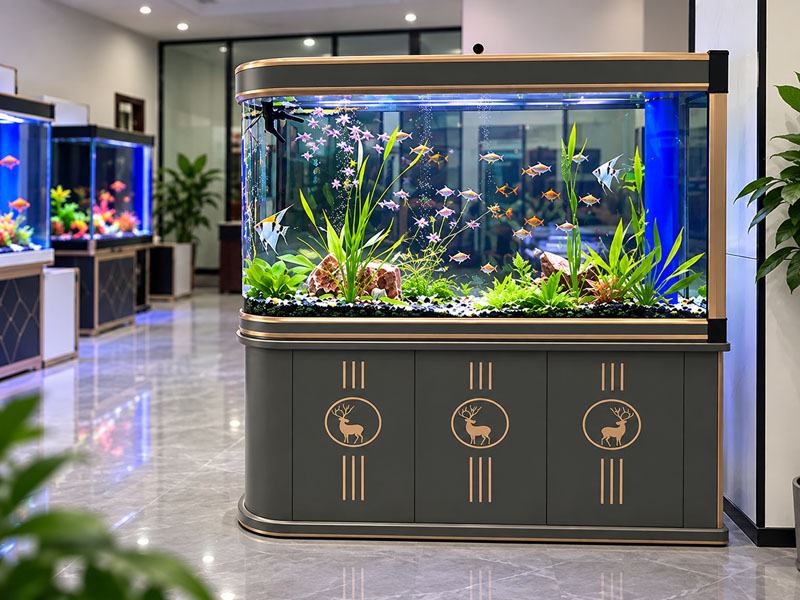
Start With the Total Aquarium Weight
The first step is to estimate the total load the aluminum frame needs to support.
Do not calculate only the weight of the empty glass tank. The complete load may include:
Aquarium glass
Water
Gravel, rocks and decorations
Filtration equipment
Lighting or other equipment
Cabinet panels and accessories
Water alone weighs approximately 1 kg per liter, so the total weight of a large aquarium can increase quickly.
For example, a 500-liter aquarium contains approximately 500 kg of water before the weight of the glass, cabinet, substrate and equipment is included.
This is why aluminum profile selection should be based on the complete aquarium system, rather than tank dimensions alone.
Common Aluminum Profile Sizes for Aquarium Stands
Aluminum extrusion frames can be manufactured in many different sizes. For aquarium stand applications, profiles in the 30 mm, 40 mm and larger series are commonly considered depending on the structure and required load.
A general comparison is:
These should not be treated as fixed load ratings. Two aquarium stands using the same 4040 profile can have very different structural performance depending on their dimensions and construction.
4040 or 4080 for an Aquarium Stand
This is one of the most common questions when selecting aluminum profiles for larger aquarium frames.
A 4040 aluminum profile has a relatively compact cross-section and can be suitable for many frame structures when vertical supports and cross members are positioned appropriately.
A 4080 aluminum profile has a deeper section in one direction. This can provide greater rigidity in applications involving longer horizontal spans or higher structural requirements.
However, choosing 4080 instead of 4040 does not automatically make an aquarium stand safe.
The complete structure must still be considered.
For example, reducing the unsupported span by adding a center vertical support can significantly change how the load is transferred through the frame.
Span Length Matters
One of the most important factors is the distance between supporting points.
Consider two aquarium stands carrying a similar load:
Frame A: 1,000 mm horizontal span
Frame B: 2,000 mm horizontal span
Even if both use the same aluminum profile, the longer unsupported beam will generally experience greater bending and deflection.
For longer aquariums, manufacturers may therefore consider:
larger profiles + additional vertical posts + cross supports
rather than simply increasing the profile size everywhere.
This can create a more efficient frame while avoiding unnecessary material.
Frame Structure Is as Important as Profile Size
A strong aquarium stand is not created by aluminum profile size alone.
The overall frame should distribute the aquarium load effectively through the horizontal beams and vertical supports to the floor.
Important structural considerations include:
Vertical Supports
Additional posts can reduce unsupported beam spans on longer aquarium stands.
Cross Members
Cross supports can help distribute loads across the frame and provide additional support beneath the aquarium.
Connections
Brackets, fasteners and joint design influence the rigidity of the complete structure.
Top Support Surface
The tank should be supported according to its specific construction and manufacturer's requirements.
Leveling
Uneven flooring can create undesirable load distribution, particularly with large and heavy aquariums.
Therefore, when comparing different aluminum profile sizes, always evaluate them as part of the complete frame design.
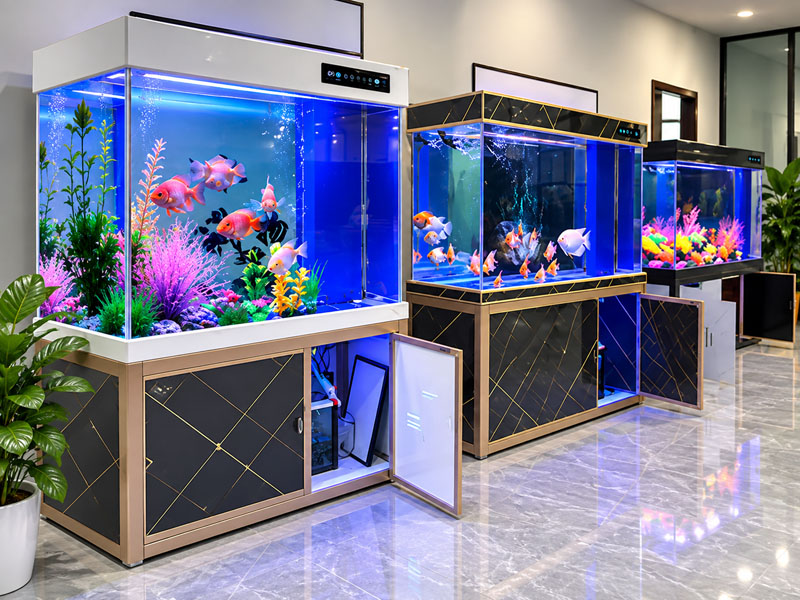
For large aquarium frames, consider:
Increasing the profile section where necessary.
Reducing long unsupported spans.
Adding vertical supports beneath critical areas.
Using appropriate cross members.
Checking joint and connection strength.
Ensuring that the load is distributed evenly.
For commercial aquariums or unusually large tanks, the frame should be evaluated according to the actual project load and structure rather than relying on a general profile-size recommendation.
Aluminum Alloy and Surface Finish Also Matter
Profile dimensions are only part of the specification.
Aquarium frames are frequently exposed to humid environments and occasional water contact. Suitable aluminum alloys and surface treatments can therefore improve long-term performance.
Common options include 6063-T5/T6 and 6061-T6 aluminum, depending on the extrusion design and structural requirements.
Surface treatments may include:
Anodizing
Powder coating
Wood-grain finishes
Black and silver anodized finishes are commonly used for modern aquarium structures, while powder coating provides additional color options for aquarium cabinets and commercial installations.
So, What Size Aluminum Profile Should You Choose
There is no single aluminum profile size suitable for every aquarium stand.
For a preliminary selection, consider these five factors together:
Aquarium dimensions + total loaded weight + span length + support layout + connection design
Smaller structures may use relatively compact profiles, while larger tanks may require 40-series, 4040, 4080 or custom aluminum profiles combined with additional structural supports.
Instead of asking only:
“How much weight can a 4040 aluminum profile hold?”
a more useful question is:
“What aluminum profile and frame structure should be used for this aquarium size and load?”
That provides a much better basis for selecting the frame.
Profile dimensions, frame sizes, surface finishes and machining can be customized according to drawings and project requirements. Processing services include cutting, drilling, tapping and CNC machining.
If you are designing an aquarium stand, send us your:
Aquarium dimensions + estimated total load + frame drawing + required quantity
Our team can help evaluate suitable aluminum profile and processing options for your project.
A small aquarium and a large commercial fish tank obviously require different support structures. For aquarium manufacturers and custom cabinet makers, selecting the appropriate aluminum profile can help balance structural stability, material cost and ease of assembly.
This guide explains the main factors to consider before choosing an aluminum profile size for an aquarium stand.
Start With the Total Aquarium Weight
The first step is to estimate the total load the aluminum frame needs to support.
Do not calculate only the weight of the empty glass tank. The complete load may include:
Aquarium glass
Water
Gravel, rocks and decorations
Filtration equipment
Lighting or other equipment
Cabinet panels and accessories
Water alone weighs approximately 1 kg per liter, so the total weight of a large aquarium can increase quickly.
For example, a 500-liter aquarium contains approximately 500 kg of water before the weight of the glass, cabinet, substrate and equipment is included.
This is why aluminum profile selection should be based on the complete aquarium system, rather than tank dimensions alone.
Common Aluminum Profile Sizes for Aquarium Stands
Aluminum extrusion frames can be manufactured in many different sizes. For aquarium stand applications, profiles in the 30 mm, 40 mm and larger series are commonly considered depending on the structure and required load.
A general comparison is:
|
Profile Size |
Typical Consideration |
|
30 Series |
Smaller structures and lighter-duty applications |
|
40 Series |
Medium to larger aquarium frame structures |
|
4040 Profile |
Common option where a compact 40 mm frame is required |
|
4080 Profile |
Useful where greater section depth or longer spans are required |
|
Larger / Custom Profiles |
Large tanks, special structures and commercial projects |
These should not be treated as fixed load ratings. Two aquarium stands using the same 4040 profile can have very different structural performance depending on their dimensions and construction.
4040 or 4080 for an Aquarium Stand
This is one of the most common questions when selecting aluminum profiles for larger aquarium frames.
A 4040 aluminum profile has a relatively compact cross-section and can be suitable for many frame structures when vertical supports and cross members are positioned appropriately.
A 4080 aluminum profile has a deeper section in one direction. This can provide greater rigidity in applications involving longer horizontal spans or higher structural requirements.
However, choosing 4080 instead of 4040 does not automatically make an aquarium stand safe.
The complete structure must still be considered.
For example, reducing the unsupported span by adding a center vertical support can significantly change how the load is transferred through the frame.
Span Length Matters
One of the most important factors is the distance between supporting points.
Consider two aquarium stands carrying a similar load:
Frame A: 1,000 mm horizontal span
Frame B: 2,000 mm horizontal span
Even if both use the same aluminum profile, the longer unsupported beam will generally experience greater bending and deflection.
For longer aquariums, manufacturers may therefore consider:
larger profiles + additional vertical posts + cross supports
rather than simply increasing the profile size everywhere.
This can create a more efficient frame while avoiding unnecessary material.
Frame Structure Is as Important as Profile Size
A strong aquarium stand is not created by aluminum profile size alone.
The overall frame should distribute the aquarium load effectively through the horizontal beams and vertical supports to the floor.
Important structural considerations include:
Vertical Supports
Additional posts can reduce unsupported beam spans on longer aquarium stands.
Cross Members
Cross supports can help distribute loads across the frame and provide additional support beneath the aquarium.
Connections
Brackets, fasteners and joint design influence the rigidity of the complete structure.
Top Support Surface
The tank should be supported according to its specific construction and manufacturer's requirements.
Leveling
Uneven flooring can create undesirable load distribution, particularly with large and heavy aquariums.
Therefore, when comparing different aluminum profile sizes, always evaluate them as part of the complete frame design.
What About Large Aluminum Aquarium Stands
Large aluminum aquariums require more careful structural planning because increasing tank dimensions usually means significantly more water and total weight.For large aquarium frames, consider:
Increasing the profile section where necessary.
Reducing long unsupported spans.
Adding vertical supports beneath critical areas.
Using appropriate cross members.
Checking joint and connection strength.
Ensuring that the load is distributed evenly.
For commercial aquariums or unusually large tanks, the frame should be evaluated according to the actual project load and structure rather than relying on a general profile-size recommendation.
Aluminum Alloy and Surface Finish Also Matter
Profile dimensions are only part of the specification.
Aquarium frames are frequently exposed to humid environments and occasional water contact. Suitable aluminum alloys and surface treatments can therefore improve long-term performance.
Common options include 6063-T5/T6 and 6061-T6 aluminum, depending on the extrusion design and structural requirements.
Surface treatments may include:
Anodizing
Powder coating
Wood-grain finishes
Black and silver anodized finishes are commonly used for modern aquarium structures, while powder coating provides additional color options for aquarium cabinets and commercial installations.
So, What Size Aluminum Profile Should You Choose
There is no single aluminum profile size suitable for every aquarium stand.
For a preliminary selection, consider these five factors together:
Aquarium dimensions + total loaded weight + span length + support layout + connection design
Smaller structures may use relatively compact profiles, while larger tanks may require 40-series, 4040, 4080 or custom aluminum profiles combined with additional structural supports.
Instead of asking only:
“How much weight can a 4040 aluminum profile hold?”
a more useful question is:
“What aluminum profile and frame structure should be used for this aquarium size and load?”
That provides a much better basis for selecting the frame.
Custom Aluminum Profiles for Aquarium Stands
For aquarium manufacturers, cabinet manufacturers and commercial projects, Shenghai Aluminum supplies custom aluminum profiles and processed components for aquarium frames.Profile dimensions, frame sizes, surface finishes and machining can be customized according to drawings and project requirements. Processing services include cutting, drilling, tapping and CNC machining.
If you are designing an aquarium stand, send us your:
Aquarium dimensions + estimated total load + frame drawing + required quantity
Our team can help evaluate suitable aluminum profile and processing options for your project.